
Oral hygiene forms the foundation of both dental health and whole-body wellness. Yet many health-conscious individuals in Denver, Boulder, and throughout Colorado are discovering that conventional oral hygiene recommendations often overlook critical factors like material biocompatibility, toxic ingredient exposure, and the profound connections between mouth health and systemic inflammation. In 2026, biological and holistic dentistry practices are pioneering a more comprehensive approach—one that honors both evidence-based practices and your body’s unique needs.
While standard oral hygiene guidance focuses on technique and frequency, holistic oral hygiene asks deeper questions: Are the materials touching your gums biocompatible with your system? Do your oral care products contain ingredients that disrupt your microbiome or burden your body? How do stress, nutrition, and inflammation affect your daily oral hygiene outcomes? These questions matter because your mouth isn’t separate from the rest of you—it’s an integrated system where local care creates whole-body effects.
This guide explores oral hygiene through a biological dentistry lens, combining time-tested fundamentals with insights rarely addressed in conventional settings. Whether you’re managing dental anxiety, seeking mercury-free and fluoride-free alternatives, or simply wanting oral care that aligns with your health values, understanding holistic oral hygiene empowers you to make informed decisions that serve your long-term wellness.
What Current Guidance Says in 2026
- Evidence continues strengthening the oral-systemic health connection, particularly regarding inflammation pathways
- Microbiome research reveals that oral care products can either support or disrupt beneficial bacterial balance
- Growing awareness of endocrine-disrupting chemicals in conventional oral care products
- Recognition that trauma-informed approaches improve oral hygiene compliance and outcomes
- Increased focus on prevention and minimally invasive techniques over reactive treatment
- Acknowledgment that one-size-fits-all protocols don’t account for individual biocompatibility
- Understanding that stress, sleep quality, and nutrition directly affect oral tissue health
- Emerging research on mercury exposure from amalgam fillings and its systemic implications
Why Holistic Dentistry Takes a Different Approach
Biological and holistic dentistry recognizes that effective oral hygiene extends far beyond technique alone. After more than 30 years of integrative dental practice, we’ve learned that sustainable oral health requires addressing root causes, not just symptoms. This means examining what touches your mouth, what your body can safely process, and how your oral environment connects to your overall health picture.
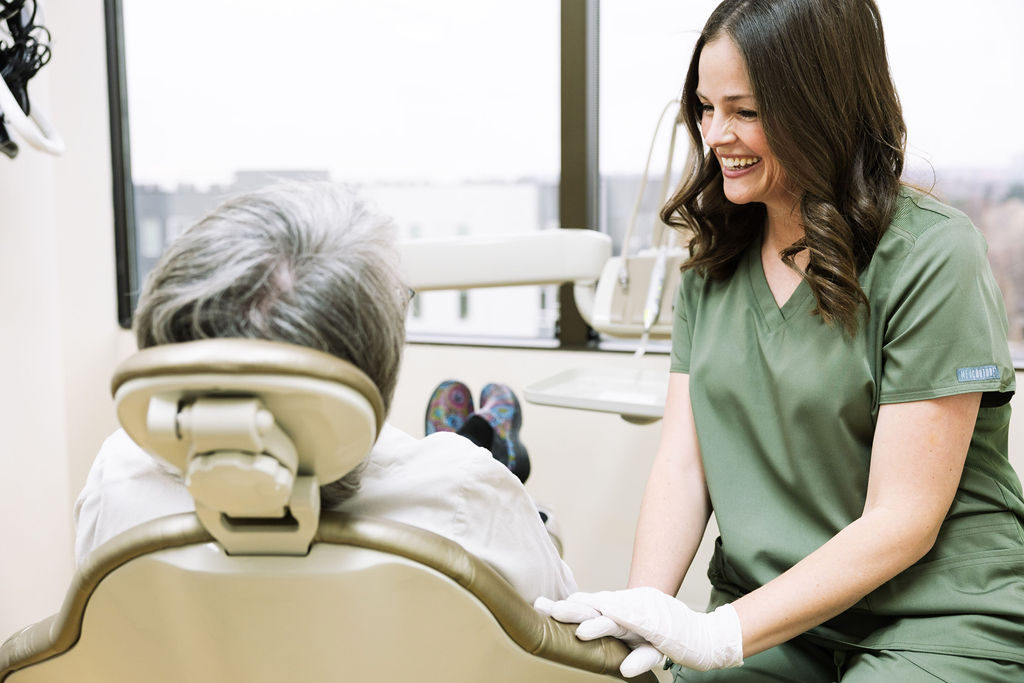
Our approach begins with a comprehensive two-hour whole-health intake before any dental work begins. This extensive evaluation explores your complete health history, current concerns, material sensitivities, stress factors, nutritional patterns, and personal health goals. We’re not simply checking your teeth—we’re understanding you as a whole person so we can recommend oral hygiene strategies that work with your unique biology rather than against it.
Holistic oral hygiene emphasizes biocompatible materials, mercury-free dentistry, fluoride-free alternatives, and minimally invasive prevention. We prioritize non-toxic products that don’t burden your body’s detoxification systems. We consider how oral bacteria relate to gut health, how inflammation in your gums might reflect systemic inflammation, and how trauma-informed care can transform your daily oral hygiene routine from a source of anxiety into an act of self-care. This prevention-first philosophy, grounded in extensive certifications in biological dentistry, creates the foundation for lasting oral and whole-body wellness.
Material Safety & Biocompatibility in Daily Oral Hygiene
The products you use for oral hygiene matter as much as how you use them. Conventional toothpastes, mouthwashes, and dental flosses often contain ingredients that health-conscious individuals in Denver and Boulder actively avoid in other areas of their lives—yet these same substances touch the highly absorbent tissues of your mouth daily.
Common concerns include sodium lauryl sulfate (a harsh detergent that can irritate tissues), triclosan (an antimicrobial agent with endocrine-disrupting properties), artificial dyes, synthetic fragrances, and of course, fluoride. While fluoride remains standard in conventional dentistry, many people prefer fluoride-free alternatives due to concerns about systemic absorption, thyroid function, and the availability of effective non-fluoride remineralization strategies.
Biocompatible oral hygiene products work with your body’s natural systems rather than overwhelming them. This includes toothpastes with natural remineralizing minerals like hydroxyapatite (which actually mimics tooth enamel structure), herbal mouthwashes that support rather than destroy your oral microbiome, and flosses made from natural fibers without PFAS (forever chemicals) coatings. The goal isn’t perfection—it’s choosing products that align with your values and support your body’s inherent capacity for health.
Conventional vs Holistic/Biological Oral Hygiene Approaches (2026)
| Aspect | Conventional Approach | Holistic/Biological Approach | What It Means for You |
|---|---|---|---|
| Toothpaste Ingredients | Fluoride, SLS, artificial colors/flavors, triclosan | Fluoride-free, hydroxyapatite, natural essential oils, plant-based ingredients | Non-toxic options that remineralize teeth without systemic chemical burden |
| Mouthwash Philosophy | Antimicrobial agents to kill all bacteria | Microbiome-supporting formulas that balance beneficial bacteria | Maintains healthy oral ecosystem rather than creating dysbiosis |
| Floss Selection | Standard nylon, sometimes PFAS-coated | Natural silk, plant-based, PFAS-free options | Avoids forever chemicals while effectively cleaning between teeth |
| Toothbrush Type | Any soft-bristled brush, often plastic | Bamboo or recyclable options, proper bristle softness for gentle tissue care | Eco-friendly choices that protect delicate gum tissue |
| Dental Visit Focus | Cavity detection, standard cleaning, fluoride treatment | Whole-health assessment, biocompatible materials, mercury-free environment, ozone therapy options | Comprehensive care addressing root causes and systemic connections |
| Problem Prevention | Topical treatments, sealants with BPA | Nutrition counseling, stress management, BPA-free materials, minimally invasive techniques | Addresses underlying factors while using safest materials available |
Reading Labels on Oral Hygiene Products
Many people in Colorado Springs and throughout the Front Range who carefully read food labels don’t realize their oral care products need the same scrutiny. Look for products free from parabens, phthalates, synthetic dyes (often listed as FD&C colors), and artificial sweeteners like saccharin or aspartame. If you’re sensitive to strong flavors or have a history of mouth irritation, avoid products with sodium lauryl sulfate or alcohol-based formulations. Natural alternatives use ingredients like xylitol (a plant-derived sweetener that actually inhibits cavity-causing bacteria), coconut oil, essential oils with antimicrobial properties, and minerals that support enamel strength. Remember that “natural” isn’t automatically better—it’s about finding what works for your unique system.
The Fluoride Question in Holistic Oral Hygiene
Fluoride-free oral hygiene is a cornerstone of biological dentistry. While conventional dentistry emphasizes fluoride for cavity prevention, holistic practitioners consider individual factors: thyroid health, kidney function, children’s developing systems, and the availability of equally effective alternatives. Hydroxyapatite, a naturally occurring mineral that makes up 97% of tooth enamel, has shown promising results in remineralization research without the systemic concerns associated with fluoride. Nano-hydroxyapatite toothpastes, combined with proper technique and nutrition, offer effective cavity prevention for those preferring fluoride-free approaches. This choice matters particularly in areas like Denver where some individuals are managing autoimmune conditions or thyroid concerns that make them more cautious about fluoride exposure.
Trauma-Informed Oral Hygiene: Making Daily Care Sustainable
Oral hygiene compliance struggles often stem from past dental trauma, sensory sensitivities, or anxiety around oral care. Trauma-informed oral hygiene acknowledges these barriers and creates gentler pathways forward. This approach recognizes that being told to “just brush better” doesn’t help if the act of brushing triggers anxiety, gagging, or painful memories.
Trauma-informed oral hygiene starts with meeting yourself where you are. If standard two-minute brushing feels overwhelming, begin with 30 seconds and gradually increase. If you gag easily, experiment with smaller toothbrush heads, different brush angles, or brushing at different times when you’re more relaxed. If flossing triggers panic from past painful experiences, try interdental brushes, soft picks, or water flossers as bridge tools while you rebuild trust with your oral care routine.
Breathing techniques make a profound difference. Nasal breathing during brushing activates your parasympathetic nervous system (your “rest and digest” mode), making the experience calmer. Some patients find it helpful to brush in a different location than the bathroom if that space holds negative associations. Others benefit from listening to calming music or using a timer that creates positive structure without pressure. The goal isn’t perfect technique immediately—it’s building a sustainable practice that you can maintain because it feels safe and manageable.
Creating a Sensory-Friendly Oral Hygiene Routine
Many people with sensory processing sensitivities find conventional oral hygiene recommendations overwhelming. Strong mint flavors, firm bristles, and intense vibrations from electric toothbrushes can all create aversive experiences that undermine consistency. Holistic oral hygiene honors these sensitivities by offering alternatives: mild or unflavored toothpastes, extra-soft bristles, manual brushes for those who find vibration uncomfortable, and gentler flossing options. Dim lighting, comfortable positioning, and predictable routines all support nervous system regulation during oral care. When your daily oral hygiene routine respects your sensory needs, it becomes an act of self-care rather than something to endure.
Rebuilding Trust After Dental Trauma
Past traumatic dental experiences can make even basic oral hygiene feel threatening. Perhaps you associate certain sensations with pain, felt dismissed when expressing concerns, or experienced care that felt rushed or rough. Trauma-informed oral hygiene validates these experiences while gently building new associations. Start with what feels safest—maybe that’s just rinsing with water at first, then gradually introducing other elements as your nervous system learns that oral care can be different now. Working with a biological dentist who practices trauma-informed care means your professional cleanings can become part of healing rather than retraumatizing. This patient-centered approach, practiced in holistic dentistry offices throughout Denver and Boulder, acknowledges that psychological safety and physical technique are equally important for sustainable oral health.
The Oral-Systemic Connection: Why Your Oral Hygiene Routine Affects Your Whole Body
Your mouth isn’t an isolated system. When gums stay inflamed, oral bacteria and inflammatory signals can add to your body’s overall inflammatory burden—impacting more than just teeth and gums.
Oral Health → Whole-Body Impact
| Oral Issue | What Happens in the Mouth | Why It Matters for the Body | Biggest Daily Lever |
|---|---|---|---|
| Bleeding gums (gingivitis) | Gum inflammation and irritation | Adds to systemic inflammatory load | Gentle brushing + interdental cleaning |
| Periodontitis | Deeper infection, tissue/bone stress | Chronic inflammation can affect whole-body systems | Professional evaluation + consistent interdental care |
| Microbiome imbalance | Helpful bacteria lose ground | More irritation, odor, plaque risk | “Support balance” approach |
| Dry mouth | Less saliva = less buffering | Higher cavity + irritation risk | Hydration + sleep + saliva support |
| Grinding (bruxism) | Enamel wear, jaw tension | Stress/sleep loop worsens inflammation | Stress + sleep support; night guard if needed |
Microbiome Support: “Balance Over Sterilize”
The oral microbiome functions more like an ecosystem than a battlefield. In many cases, the goal is supporting a stable balance—not wiping everything out.
| Routine Style | What It’s Trying to Do | Common Downside | Better Use |
|---|---|---|---|
| “Kill-all” antiseptic focus | Reduce bacteria quickly | Can disrupt long-term balance | Use selectively, not as the foundation |
| Microbiome-supportive approach | Encourage a healthier ecosystem | Requires consistency | Best for long-term stability |
Optional supportive add-ons (if they feel good for your body): oil pulling, gentle herbal rinses, oral probiotics, nutrition that reduces inflammatory triggers.
Nutrition, Stress, and Sleep: The 3 Pillars That Shape Oral Healing
Even “perfect brushing” can struggle when the body is under-fueled, inflamed, or sleep-deprived. Oral tissues heal best when your internal environment supports repair.
The 3 Pillars
| Pillar | What It Influences | High-Impact Focus |
|---|---|---|
| Nutrition | Tissue repair, gum resilience, enamel support | Reduce frequent sugar/refined carbs; prioritize nutrient-dense meals |
| Stress | Immune suppression + inflammation + grinding risk | Add a daily downshift (walk, breathwork, journaling, therapy support) |
| Sleep | Saliva production + immune surveillance + repair | Consistent bedtime; address dry mouth / mouth breathing patterns |
Build Your Personalized Holistic Oral Hygiene Plan
Effective oral hygiene isn’t one-size-fits-all. The best plan is the one you can actually maintain—consistently.
Your plan should match your: sensitivities, current oral health, dental anxiety history, lifestyle, stress load, nutrition patterns, and any dry mouth or grinding tendencies.
Core principle: Consistency with a sustainable routine beats perfection with a routine you can’t keep.
Essential Components of Daily Holistic Oral Hygiene
Daily Routine Flow (Simple + Sustainable)
Morning (3–5 minutes)
- Brush gently (soft bristles, gumline focus)
- Tongue clean
- Optional: probiotic lozenge
Evening (5–7 minutes)
- Interdental clean (floss / interdental brush / water flosser)
- Brush gently
- Optional: gentle rinse
- Optional: oil pulling before brushing (if you do it)
Technique snapshot: small circles, 45° toward the gumline, light pressure.
When to Seek Professional Holistic Dental Evaluation
Seek care if you notice:
- Bleeding gums that persist beyond a few days of consistent care
- Bad breath that doesn’t improve
- Sensitivity to hot/cold/sweets
- Gum changes (swelling, color shift, recession)
- Loose teeth or pain when chewing
- Ongoing dry mouth
Eco-Friendly and Sustainable Oral Hygiene Practices
Easy eco swaps (no overwhelm)
- Plastic toothbrush → bamboo handle (remove bristles before composting handle)
- Toothpaste tube → tablets / metal tube / refill formats
- Plastic floss → refillable container options
Holistic principle: personal health and environmental health are connected—choose what supports both without sacrificing effectiveness.
Dr. Sharon Dickerson’s Holistic Approach to Comprehensive Oral Hygiene
For more than 30 years, Dr. Sharon Dickerson has provided biological and holistic dentistry in Denver, pairing gentle, trauma-informed care with personalized oral hygiene planning.
What patients notice most:
- A comprehensive whole-health two hour intake before dental work
- Biocompatible materials and mercury-free, fluoride-free protocols
- A calm, welcoming office environment that reduces dental anxiety
- Guidance that connects oral health to the full body—without overwhelm
Between dental visits, ongoing professional hygiene support matters too. For patients in the Denver area seeking prevention-focused care aligned with biological principles, Luxury Tooth Booth in Lakewood offers biological dental hygiene in a private spa suite — as well as mobile hygiene visits for homebound patients and those who find travel difficult.
Frequently Asked Questions
Why does holistic dentistry recommend fluoride-free oral hygiene products?
Biological and holistic dentistry takes a fluoride-free approach based on several factors: potential effects on thyroid function, individual biocompatibility differences, concerns about systemic absorption (especially in children), and the availability of equally effective alternatives like nano-hydroxyapatite. Hydroxyapatite is a naturally occurring mineral that makes up 97% of tooth enamel and has shown promising results in remineralization research without the systemic concerns some people have about fluoride. For individuals managing thyroid conditions, autoimmune issues, or who prefer to minimize chemical exposures, fluoride-free oral hygiene offers effective cavity prevention aligned with their health values. This choice is particularly meaningful for health-conscious families in Denver and Boulder seeking non-toxic approaches to dental care.
What makes an oral hygiene product truly biocompatible?
Biocompatible oral hygiene products work harmoniously with your body’s systems rather than creating additional burden. This means avoiding ingredients that commonly cause sensitivities, disrupt endocrine function, or harm the oral microbiome. Key considerations include: absence of harsh detergents like sodium lauryl sulfate that irritate tissues, no synthetic dyes or fragrances, avoidance of antimicrobial agents like triclosan that disrupt hormones and beneficial bacteria, use of natural remineralizing minerals rather than synthetic alternatives, and selection of ingredients your body can safely process if swallowed. True biocompatibility also considers individual sensitivities—what works for one person may not suit another. A comprehensive biological dentistry evaluation can identify specific sensitivities and recommend products matched to your unique system, ensuring your daily oral hygiene routine supports rather than challenges your health.
How does trauma-informed care apply to oral hygiene at home?
Trauma-informed oral hygiene recognizes that past negative dental experiences, sensory sensitivities, or anxiety can make even basic oral care feel threatening. Applying trauma-informed principles at home means: starting where you are rather than forcing ideal technique immediately, using tools and products that feel safe and comfortable for your sensory needs, creating predictable routines that reduce anxiety, incorporating calming techniques like nasal breathing during brushing, and building gradually toward sustainable practices without shame or pressure. This might look like beginning with 30-second brushing sessions and slowly increasing, using extra-soft bristles or smaller toothbrush heads if gagging is an issue, or brushing in a location that doesn’t trigger negative associations. The most effective oral hygiene routine is one you’ll actually maintain, which means honoring your nervous system’s needs is just as important as proper technique. Many patients find that working with a trauma-informed biological dentist helps them develop home oral hygiene practices that feel manageable rather than overwhelming.
What’s the connection between oral hygiene and overall inflammation in my body?
Your oral hygiene routine directly influences systemic inflammation through several pathways. When gums become inflamed due to bacterial buildup (gingivitis or periodontitis), inflammatory markers from your oral tissues enter your bloodstream continuously. These circulating inflammatory molecules can contribute to cardiovascular disease, affect blood sugar regulation, cross into joints and contribute to arthritis symptoms, and even pass the blood-brain barrier where they may influence cognitive function and mood. Additionally, harmful oral bacteria can translocate into your bloodstream through inflamed gum tissue, creating ongoing immune activation. Effective oral hygiene with biocompatible products reduces this inflammatory burden by keeping bacterial populations balanced and gum tissues healthy. This is why biological dentistry views oral hygiene as whole-body medicine—your daily brushing and flossing aren’t just preventing cavities, they’re supporting your body’s inflammatory regulation systems and reducing systemic disease risk.
How do I transition from conventional to holistic oral hygiene products?
Transitioning to biocompatible, non-toxic oral hygiene products can be gradual and doesn’t require replacing everything at once. Start by identifying your highest-priority concerns: perhaps you want to eliminate fluoride first, or switch to PFAS-free floss, or find a toothpaste without sodium lauryl sulfate. Replace products as they run out rather than discarding items wastefully. Give new products a few weeks trial—your mouth may need time to adjust to different flavors or textures, especially if you’re accustomed to intense mint or foaming action. Some people experience a transition period where their oral microbiome rebalances after discontinuing harsh antimicrobial products; this usually resolves within a few weeks as beneficial bacteria repopulate. If you experience sensitivity or other concerns during transition, a biological dentist can provide personalized guidance and may recommend supportive therapies like remineralizing treatments or probiotic support to ease the change. Remember that holistic oral hygiene is about progress, not perfection—every non-toxic swap supports your health even if the transition takes time.
Is oil pulling really effective as part of an oral hygiene routine?
Oil pulling—swishing oil (typically coconut or sesame) in your mouth for several minutes before brushing—is an ancient Ayurvedic practice that many people find beneficial as an adjunct to regular oral hygiene. The mechanism works through lipid attraction: bacteria have lipid (fat) membranes that bind to the oil, allowing you to remove bacterial load before brushing. Some research suggests oil pulling may reduce cavity-causing bacteria, decrease gum inflammation, and improve bad breath. However, it’s important to understand that oil pulling supplements rather than replaces brushing and flossing—it doesn’t mechanically remove plaque the way brushing does. Many patients in Denver and Boulder holistic dentistry practices incorporate oil pulling as a gentle antimicrobial strategy that doesn’t disrupt the oral microbiome the way harsh mouthwashes do. If you try oil pulling, start with just 5 minutes and gradually increase to 15-20 minutes if comfortable. Use organic, cold-pressed oils, and spit into the trash rather than the sink (oil can clog drains). As with any oral hygiene practice, consistency matters more than perfection.
How often should I see a biological dentist if I’m maintaining excellent oral hygiene at home?
Even with exceptional home oral hygiene, professional evaluation and cleaning remain essential because some areas simply can’t be effectively cleaned at home, and early detection prevents small issues from becoming complex problems. Most people benefit from professional visits every six months, though individual needs vary. If you have a history of gum disease, existing dental work that requires monitoring, systemic health conditions that affect oral health (diabetes, autoimmune conditions, heart disease), or you’re managing specific oral health challenges, more frequent visits may serve you better. Conversely, some people with excellent oral health, stable systemic health, and consistent home care might extend to annual visits. A biological dentistry practice offers these professional visits using mercury-free materials, fluoride-free protocols, biocompatible products, and minimally invasive techniques, making professional care an extension of your holistic oral hygiene philosophy. The comprehensive whole-health approach also allows your dentist to monitor oral-systemic connections and adjust your home oral hygiene plan as your health evolves. Professional care isn’t just about cleaning—it’s ongoing partnership in your wellness journey.
What should I do if I have dental anxiety that prevents consistent oral hygiene?
Dental anxiety that interferes with oral hygiene is more common than many people realize, and it’s absolutely valid. The trauma-informed approach recognizes that past experiences, sensory sensitivities, or general anxiety can make oral care feel threatening rather than routine. Start by acknowledging without judgment where you are—self-criticism only reinforces negative associations. Then build slowly: if full oral hygiene feels overwhelming, begin with just rinsing with water after meals. When that feels manageable, add gentle brushing for 30 seconds. Gradually introduce other elements as your nervous system learns that oral care can be different now. Consider what triggers your anxiety: Is it certain sensations, specific memories, feeling rushed, or loss of control? Addressing the root cause helps you develop workarounds tailored to your needs. Many people find that working with a trauma-informed biological dentist transforms their relationship with oral care because the professional visits become safe experiences rather than retraumatizing ones, which carries over into greater ease with home oral hygiene. Remember, imperfect oral hygiene that you can maintain is infinitely better than a perfect routine that triggers so much anxiety you avoid it entirely. Your wellbeing matters, and there are compassionate practitioners in Denver, Boulder, and throughout Colorado who understand this deeply.
If you’re seeking oral hygiene guidance that honors your whole health, respects your past experiences, and aligns with your values around non-toxic, biocompatible care, we invite you to experience biological dentistry that puts your wellbeing first. Dr. Sharon Dickerson’s Denver practice welcomes patients from throughout Colorado, Wyoming, Nebraska, and Kansas who are ready to discover that excellent oral health and gentle, trauma-informed care can coexist beautifully. Your comprehensive two-hour whole-health intake creates the foundation for truly personalized oral hygiene recommendations—not generic protocols, but strategies tailored to your unique biology and life circumstances.
Schedule your holistic consultation
Take the Next Step—Calm, Collaborative Care
If you’ve been avoiding the dentist because of anxiety, sensory overwhelm, or concerns about whole-body health, you’re not alone—and you don’t have to push through care that feels intense or rushed. At Dr. Sharon Dickerson’s Denver practice, your visit begins with a 2-hour holistic intake to understand your health history, sensitivities, and goals before we recommend treatment. Our approach is designed to feel gentle, minimally invasive, and supportive.
Schedule your consultation
Schedule your consultation and let’s create an oral hygiene plan that respects your comfort, your values, and your long-term wellness.