
Introduction
Your toothbrush works hard for you — and with a little mindful care, you can help it work even better. Bristle hygiene is one of those simple daily habits that quietly supports your overall oral wellness. Like choosing clean ingredients in your food or non-toxic products for your home, caring for your toothbrush is a natural extension of living intentionally.
At our holistic dental practice in Denver, we love helping patients build routines that feel good and make sense for their whole-body health. The tips in this guide are gentle, science-based, and rooted in a biological approach to oral care — no harsh chemicals or complicated steps required.
Whether you’ve been on a holistic wellness path for years or you’re just starting to explore cleaner options for your daily routine, you’re already heading in a wonderful direction. Let’s walk through seven easy ways to keep your bristles fresh, effective, and aligned with your values.
A Little Care Goes a Long Way
Your toothbrush is one of the most-used tools in your home. Twice a day, it helps clear away plaque and food particles so your teeth and gums stay healthy. Over time, bristles naturally pick up residue from regular use — that’s completely normal and expected.
The good news? Keeping your toothbrush clean is refreshingly simple. A few small habits, practiced consistently, make a meaningful difference in how well your brush performs and how fresh it stays between uses.
Think of bristle hygiene the way you’d think about caring for any tool you value: a good kitchen knife stays sharper when it’s washed and stored properly, and your toothbrush works best when it gets the same kind of thoughtful attention. No elaborate routines needed — just a few gentle, intentional steps.
7 Non-Toxic Bristle Hygiene Tips from a Holistic Denver Dentist
Tip 1: A Good Rinse Makes All the Difference
One of the easiest things you can do for your bristles is to rinse them well with warm water before and after each brushing. This washes away leftover toothpaste, food particles, and surface residue. Warm water also gently softens the bristles, which is especially nice for anyone with sensitive gums. It takes just a few seconds and sets your brush up for a fresh start every time.
Tip 2: Let Your Brush Breathe
After rinsing, store your toothbrush upright in an open holder where air can circulate around the bristles. This allows them to dry naturally between uses, which helps keep them clean and fresh. Closed containers and travel cases are fine for trips, but for everyday storage, your brush will do best in the open air. A well-ventilated spot — like a countertop holder near a window — is ideal.
Tip 3: A Weekly Baking Soda Soak
Once a week, give your toothbrush a gentle refresh by soaking the head in a simple baking soda solution: two teaspoons dissolved in one cup of warm water, for about 15–20 minutes. Baking soda is a trusted, non-toxic cleanser that helps neutralize residue naturally. It’s the kind of easy, kitchen-ingredient approach that fits beautifully into a holistic home care routine.
Tip 4: White Vinegar as a Natural Rinse
White vinegar is another wonderful, chemical-free option for bristle care. Soak your brush head in vinegar (diluted with equal parts water if you prefer) for 15–30 minutes once a week, then rinse well. Vinegar’s natural acetic acid has well-documented cleansing properties, and it’s as simple as reaching into your pantry. Many of our patients enjoy knowing they can care for their tools using ingredients they already have at home.
Tip 5: Give Your Brush Its Own Space
Where you store your toothbrush matters almost as much as how you clean it. Choose a spot that’s dry, well-ventilated, and away from moisture sources. If your bathroom tends to stay humid, a bedroom shelf or hallway cabinet can work nicely — anywhere the brush can air-dry completely. And if multiple family members share a bathroom, spacing out toothbrushes so the bristles don’t touch helps each brush stay fresh on its own.
Tip 6: Keep Brushes Personal
This one’s simple but worth mentioning: each person in your household should have their own toothbrush. Sharing bristles means sharing oral bacteria, which isn’t ideal for anyone’s balance. Assign each family member a different color or style so everyone can easily grab the right one — especially helpful in households with kids.
Tip 7: Refresh with a New Brush Every 3–4 Months
Bristles gradually soften and fray with regular use, which is perfectly natural — it just means it’s time for a fresh one. The American Dental Association suggests replacing your toothbrush every three to four months, or sooner if the bristles start to look worn. A quick visual check is all it takes: if the bristles are fanning out or no longer standing upright, your brush is ready for retirement. It’s also a nice idea to start fresh after recovering from a cold or flu, just to give yourself a clean slate.
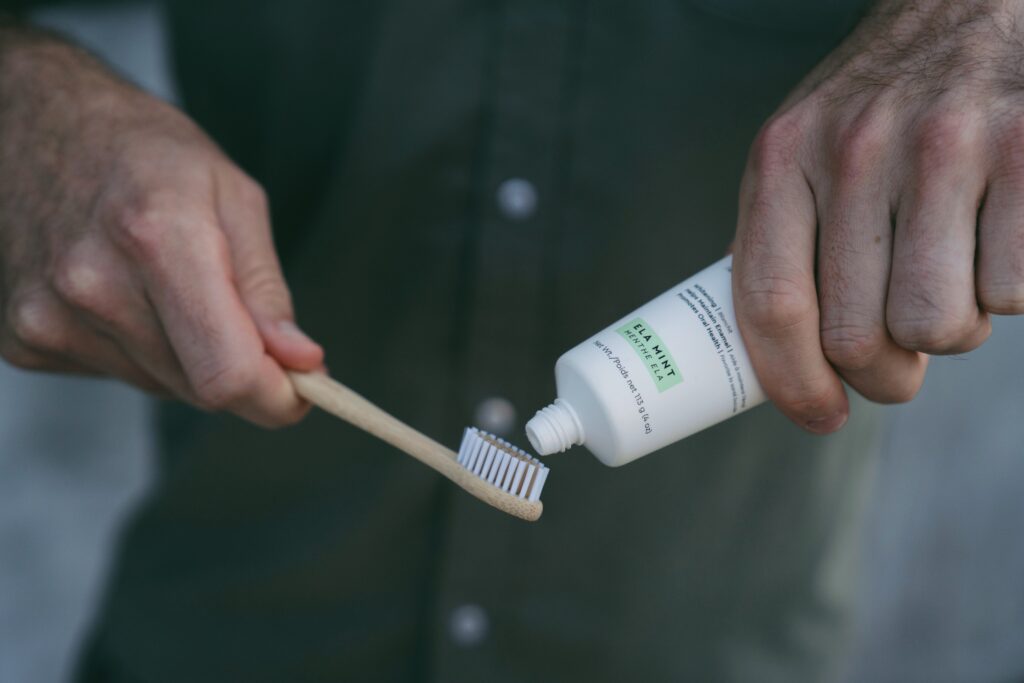
Choosing Bristle Materials That Align with Your Values
For patients who care about what goes into (and onto) their bodies, the material of your toothbrush bristles is worth a thoughtful look.
PBT Bristles — PBT (polybutylene terephthalate) has become the preferred bristle material in modern toothbrushes. Compared to traditional nylon, PBT bristles absorb less water, hold their shape longer, and provide reliable, consistent cleaning over the life of the brush. They’re also more resistant to wear, which means they stay effective for longer before needing replacement.
BPA-Free and Sustainable Options — Many patients who prioritize non-toxic living also look for BPA-free handles, bamboo designs, or brushes made from recycled materials. While the bristles do most of the cleaning work, choosing a brush that reflects your values can make your daily routine feel more aligned and intentional.
Soft Bristles for Everyone — Dental professionals universally recommend soft or extra-soft bristles. They clean just as effectively as firmer options while being much gentler on your enamel and gums. A soft brush paired with a gentle brushing technique is truly all your teeth need — and your gums will thank you for the kindness.
Bristle Hygiene and Your Oral Wellness: The Bigger Picture
In biological dentistry, we see oral health as deeply connected to overall well-being. Your mouth has its own vibrant ecosystem — a diverse community of beneficial microorganisms that support digestion, immunity, and more. Caring for your toothbrush is one simple way to support that ecosystem.
When your bristles are clean and in good condition, every product in your routine — whether it’s a hydroxyapatite toothpaste, a xylitol rinse, or a mineral-rich oral care blend — can do its job more effectively. Clean bristles deliver those beneficial ingredients right where they’re needed, supporting the natural processes that keep your teeth strong and your mouth balanced.
At our Denver practice, we love talking about these kinds of connections with patients. It’s one of the things that makes holistic dentistry so rewarding — helping people see how small, thoughtful choices at home support the care they receive in our office.
Supporting Strong Teeth Naturally: Remineralization Without Fluoride
Our practice is proudly fluoride-free, and many of our patients have chosen this path with intention and care. We’re happy to share that modern biological dentistry offers beautiful, effective alternatives for strengthening and protecting your teeth.
Hydroxyapatite is a naturally occurring mineral that makes up the majority of your tooth enamel. Toothpastes containing hydroxyapatite work by gently depositing biocompatible mineral back onto the tooth surface, supporting and strengthening enamel in a way that feels aligned with how your body already works.
Ozone Therapy is a gentle, in-office tool we use to support early remineralization. Ozone helps create a healthier environment in areas where teeth may benefit from extra support, encouraging your body’s own natural repair processes.
Xylitol is a naturally derived sweetener that supports oral health by reducing the activity of acid-producing bacteria. Xylitol gum, mints, or rinses are easy to incorporate into your daily routine and make a noticeable difference over time.
Mineral-Rich Nutrition plays a foundational role in tooth strength. During our comprehensive 2-hour whole-health intake assessment, we love exploring how nutrients like calcium, phosphorus, vitamin D, and vitamin K2 can support your dental health from the inside out. It’s one of the most empowering parts of holistic care — knowing that what you eat truly nourishes your smile.
Paired with good bristle hygiene, these approaches form a complete, non-toxic system for supporting your teeth — naturally.
UV Sanitizers: A Nice Addition, Not a Necessity
UV-C toothbrush sanitizers have become a popular option, and they do offer a genuine benefit — UV-C light can reduce microorganisms on bristle surfaces effectively. If you enjoy the added peace of mind that a sanitizer provides, it’s a perfectly reasonable addition to your routine.
That said, for most people who are already practicing the gentle bristle hygiene habits in this guide — rinsing well, air-drying upright, doing a weekly natural soak, and replacing their brush on schedule — a UV sanitizer is a bonus rather than a must-have.
If you’re curious about trying one, look for a model that’s BPA-free and doesn’t rely on chemical agents. The goal is always to add to your routine in a way that supports your non-toxic lifestyle, not to complicate it.
“Caring for your toothbrush is a small act of kindness for your whole-body wellness — and it can be as simple and natural as the rest of your holistic routine.”
Why Choose Dr. Dickerson for Holistic Dental Care
Dr. Sharon Dickerson brings over 30 years of warmth, expertise, and dedication to holistic and biological dentistry for patients across Denver, Boulder, Colorado Springs, and the broader Front Range. Our practice was created around a simple belief: dental care should feel good and support your whole-body health.
That’s why we use biocompatible materials, offer mercury-free and fluoride-free care, and take the time to truly understand each patient through our comprehensive 2-hour whole-health intake assessment. We know that choosing a holistic dentist is a meaningful decision, and we honor that trust in everything we do.
Whether you’re looking for support with natural remineralization, guidance on building a non-toxic home care routine, or simply a calming, trauma-informed environment where you feel truly cared for, we’re here. Our practice also offers in-house oral conscious sedation for patients who experience dental anxiety — because everyone deserves to feel comfortable and at ease.
We’re proud to serve patients throughout Colorado and from neighboring states including Nebraska, Wyoming, and Kansas who are seeking holistic dental care that aligns with their values.
Closing
Bristle hygiene is one of those beautifully simple habits that makes a real difference — and it fits right into the intentional, health-forward lifestyle so many of our patients already embrace. With a few gentle, non-toxic steps, you can keep your toothbrush working at its best while supporting the same whole-body wellness philosophy that guides everything we do at our Denver holistic dental practice.
If you have questions about bristle care, non-toxic oral hygiene products, or any aspect of biological dentistry, we’d genuinely love to hear from you. You’re always welcome here.
FAQs
How often should I clean my toothbrush for proper bristle hygiene?
A good warm-water rinse before and after every brushing session is a great foundation. Once a week, you can give your brush an extra refresh with a baking soda soak (two teaspoons in one cup of warm water for 15–20 minutes) or a white vinegar rinse. These gentle, non-toxic methods are easy to work into your routine and help keep your bristles fresh.
What are the signs that my toothbrush is ready for a replacement?
The easiest way to tell is to look at the bristles. If they’re starting to fan out, fray, flatten, or look discolored, it’s time for a new one. Most dental professionals recommend replacing your brush every three to four months. It’s also a nice idea to start fresh after recovering from a cold or flu.
Can I support remineralization without fluoride?
Absolutely — and beautifully so. Hydroxyapatite toothpaste gently deposits natural mineral back onto your enamel. Ozone therapy supports your teeth’s own repair processes. Xylitol products reduce acid-producing bacteria, and a mineral-rich diet with calcium, phosphorus, and vitamin K2 strengthens teeth from the inside out. Our Denver practice specializes in these fluoride-free approaches and would love to help you find the right combination.
Are natural toothbrush cleaning methods effective?
Yes — research supports the effectiveness of natural cleansing agents for bristle care. Baking soda, white vinegar, and thorough air-drying all contribute to keeping your brush fresh. For most people, these simple methods combined with regular replacement are all you need. UV-C sanitizers are a nice optional addition for anyone who wants extra peace of mind.
Does the type of toothbrush bristle matter?
It does. Soft or extra-soft bristles are recommended by dental professionals because they clean effectively while being gentle on enamel and gums. For material, PBT bristles are preferred over traditional nylon — they absorb less water, hold their shape longer, and stay effective for more brushings before needing replacement.
Why does a holistic dentist focus on toothbrush care?
In biological dentistry, we see the mouth as connected to your entire well-being. Your toothbrush is one of the most-used tools in your daily health routine, and caring for it thoughtfully helps support a balanced oral ecosystem. It’s a small habit that aligns with the same whole-body philosophy we bring to every aspect of patient care.
Start Your Journey to Whole-Body Wellness
Your health deserves a thoughtful, personalized approach.
Schedule your consultation today and experience dental care that truly listens, supports, and heals.